Occupational therapy is a holistic profession that helps individuals at all stages across the lifespan to live with the best quality of life. Through a client-centered and evidence-based approach, occupational therapists evaluate individuals, customize interventions to reach goals, and continually evolve plans of care to foster the best outcomes.
https://www.aota.org/conference-events/otmonth/what-is-ot.aspx
In 2011, the American Occupational Therapy Association (AOTA) published a position paper stating that complementary and alternative medicine (CAM) can be administered by an occupational therapist to enhance engagement, health and wellness. Reiki falls under this category.
Reiki is a Japanese technique for relaxation and healing. The word Reiki was developed by Mikao Usui from the Japenese words “rei” and “ki” whereas “rei” means universal and “ki” means life force energy flowing in the atmosphere. It helps to heal the mind, body, and spirit. This is a gentle approach of soothing energy flow emitted from the practitioner’s hands. Some clients may feel sensations of heat, tingling, and/or pulsing, while others do not feel any changes except a sense of peacefulness.
According to Cleveland Clinic, Reiki promotes relaxation, stress reduction, and symptom relief for a multitude of diseases and conditions. A large study published in 2019 concluded that Reiki improved physical and psychological symptoms including: affect, pain, shortness of breath, appetite, fatigue, drowsiness, nausea, and overall wellbeing.
American Occupational Therapy Association. (2011). Complementary and alternative medicine position paper. American Journal of Occupational Therapy, 65, S26–S31. http://dx.doi.org/10.5014/ajot.2011.65S26
Natalie L. Dyer, Ann L. Baldwin, and William L. Rand.The Journal of Alternative and Complementary Medicine.Dec 2019.1156-1162.http://doi.org/10.1089/acm.2019.0022 https://health.clevelandclinic.org/reiki/
30 min in-person Reiki session with a certified practioner
60 min in-person Reiki session with a certified practioner
45 min virtual Reiki session with a certified practioner
Order multiple sessions in advance at a discounted rate
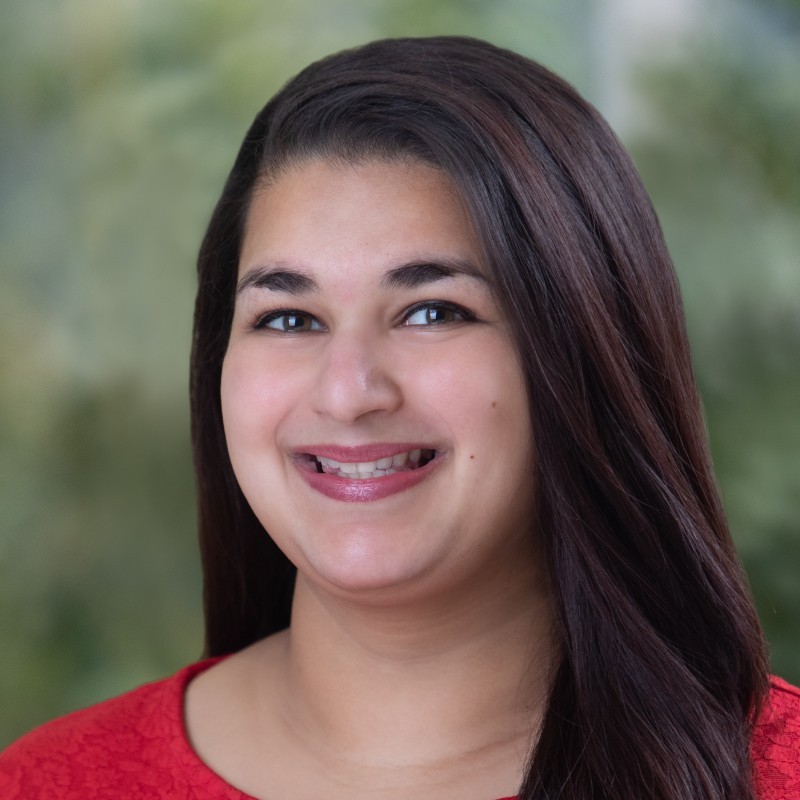
Dr. Natasha Chandra graduated from Boston University with her Post-Professional Doctor of Occupational Therapy and from Misericordia University with her Masters of Occupational Therapy. Her interests in occupational therapy are widespread, hence her holistic thinking. She possesses a pediatric specialization, psychology minor, LSVT-BIG certification, and training in Total Motor Release. Additionally, she promotes mental health and quality of life by publishing occupational therapy's role with ventricular assist devices and travel protocols as well as dedicating her doctoral thesis to reducing the prevalance of poor mental health in graduate students. After she obtained her doctorate, she expanded her field of knowledge and practice in holistic healing to become a certified Usui/Holy Fire ® Reiki Practitioner.
Dr. Natasha believes in the Person-Environment-Occupation Model (PEO Model).
P- Person- an individual with dynamic roles
E- Environment- the surroundings around the person
O- Occupation- the activity or task being completed
Every individual is affected by these three aspects. The environment could be impacting the person in different ways (noise, culture, lighting, clutter, etc.) that could affect the successful outcome of the occupation. In another scenario, the person could be impacting the successful outcome of an occupation if the individual does not possess the skillset to complete the task or is not in the right headspace. An occupational therapist is trained to look at every scenario to determine if alterations to the person, environment, or occupation need to occur for a successful outcome. As a holistic occupational therapist, Natasha looks at these three factors and provides clients what they need to become more successful through upgrades/downgrades, cuing, adaptive devices or equipment, or fostering growth in oneself to improve fine motor, core strength and dynamic balance, resilience, inner-peace and/or a positive mindset.
Law, M., Cooper, B., Strong, S., Stewart, D., Rigby, P., & Letts, L. (1996). The Person-Environment-Occupation Model: A Transactive Approach to Occupational Performance. The Canadian Journal of Occupational Therapy, 63(1), 9-23. http://dx.doi.org/10.1177/000841749606300103
Send us a message so we can schedule an appointment with you as soon as possible